What is Retort Packaging? Everything You Need to Know About Retort Packaging

Retort packaging as a method of food preservation has its origins in the mid-20th century. The exact date of its origin can be a bit challenging to pinpoint precisely, but it gained significant traction and development during and after World War II.


During the war, there was a pressing need to provide soldiers with convenient, durable, and nutritious food that could withstand transportation and storage under challenging conditions. This necessity led to the development of various food preservation techniques, including retort packaging.


The development of retort packaging can be attributed to advancements in food processing technology, materials science, and packaging design. The use of flexible packaging materials, such as laminates of plastic and aluminum foil, became more widespread during this time, enabling the creation of durable and heat-resistant pouches suitable for retort processing.


After World War II, retort packaging continued to evolve and found applications beyond military use. It became increasingly adopted in the commercial food industry for preserving a wide range of products, from ready-to-eat meals to canned goods.


Overall, while the exact date of its origin may not be pinpointed, retort packaging emerged as a significant food preservation technology during the mid-20th century and has since become an integral part of food supply chains in both military and civilian contexts.

Advantages of Canned Food:


- Extended shelf life, lasting several months to several years.
- Convenient for storage, transportation, and consumption. Does not require refrigeration until opened.
- Provides high protection against physical damage, suitable for shipping and handling.
- Heat processing helps preserve nutritional content.
- May have altered appearance and texture due to high heat processing.


Advantages of Retort Packaged Food:


- Extended shelf life, comparable to canned food.
- Lightweight and flexible, suitable for a wider range of food products.
- Provides good protection, although not as rigid as cans.
- Heat processing preserves nutrients well.
- Generally retains appearance, texture, and flavor better compared to canned food.

Disadvantages of Canned Food:


- May have altered appearance and texture due to high heat processing.
- Recyclable, but production and recycling processes have environmental impacts.
- Relatively heavy and bulky, increasing shipping costs and storage space requirements.


Disadvantages of Retort Packaged Food:


- Packaging materials may not be easily recyclable, contributing to environmental concerns.
- Lightweight and flexible, reducing shipping costs and storage space requirements.
- Uses multiple layers of materials, which can be challenging for recycling and disposal.
- Requires specialized processing equipment, which can be expensive.
- Initial investment in equipment and materials may be higher.

In conclusion, both canned food and retort packaged food offer distinct advantages and disadvantages, making them suitable for different applications and preferences. Canned food provides extended shelf life, durability, and convenience, making it a popular choice for long-term storage and transportation. However, it may experience some alterations in appearance and texture due to high heat processing, and its recyclability can pose environmental challenges.


On the other hand, retort packaged food offers comparable shelf life to canned food while retaining better appearance, texture, and flavor. Its lightweight and flexible packaging reduce shipping costs and storage space requirements, making it convenient for a wider range of food products. However, the use of multiple layers of materials in retort packaging can complicate recycling and disposal processes, and the initial investment in equipment and materials may be higher.


Ultimately, the choice between canned food and retort packaged food depends on factors such as desired shelf life, packaging preferences, environmental considerations, and specific application requirements. Both methods play important roles in providing consumers with safe, nutritious, and shelf-stable food options, catering to diverse needs and preferences in the food industry.

Wide-Scale Adoption

In the realm of sterilization operations, the choice of packaging plays a pivotal role, impacting both cost efficiency and productivity. Opting for lightweight packaging not only helps in cutting down costs but also significantly enhances operational efficiency. Utilizing the retort sterilization method involves filling the pouch and subjecting the sealed package to ultra-high heat, a process crucial for ensuring food safety and extending shelf life. What sets lightweight packaging apart is its ability to transmit heat swiftly and evenly, a characteristic that expedites the sterilization process by up to 40% compared to traditional jars and cans. This accelerated sterilization not only reduces energy consumption but also translates to lower operational expenses, making it a financially prudent choice for manufacturers.


Beyond its cost-saving benefits, the use of lightweight packaging can also have a positive impact on product quality. By facilitating rapid and uniform heat distribution, the packaging helps preserve the nutritional integrity and flavor profile of the enclosed food products. This not only enhances the overall taste experience for consumers but also contributes to the perception of quality associated with your brand. Moreover, the efficiency gained through faster sterilization allows for increased throughput, effectively raising your company's production capability and meeting growing consumer demand.

In essence, our product stands at the forefront of innovation, offering a solution that not only meets but exceeds industry standards. By combining lightweight packaging with advanced sterilization techniques, we provide a comprehensive solution that addresses the diverse needs of modern food manufacturing. From cost savings and productivity gains to superior product quality and enhanced brand reputation, our product checks all the right boxes, ensuring efficiency and excellence at every stage of the production process.

Easy-Open Features

Retort pouches offer a range of versatile features, empowering you to choose packaging solutions that not only enhance the appeal of your products but also cater directly to the preferences of your customers. With a variety of options available, you can customize your packaging to perfectly complement your offerings and meet the diverse needs of your target audience.

1. Tear Notch: A tear notch is a small, pre-cut indentation located at the top or corner of the pouch. It provides a convenient way for users to open the pouch by tearing along the notch, ensuring easy access to the contents without the need for scissors or other tools.


2. Side Seals: Side seals refer to the seams along the sides of the pouch that hold the packaging together. These seals are essential for maintaining the integrity of the pouch and preventing leaks or spills, ensuring that the contents remain secure during storage and transportation.


3. Gusset Bottom: A gusset bottom is a feature that allows the pouch to expand when filled with contents, providing additional space and stability. This design helps the pouch stand upright on shelves, enhancing visibility and presentation while maximizing storage efficiency.

4. **Zipper**: A zipper, also known as a resealable closure, is a convenient feature that allows users to open and close the pouch multiple times. This resealable design helps preserve the freshness of the contents and allows for easy portioning, making it ideal for products that are consumed over multiple servings.


5. **Hang Hole**: A hang hole is a small punched opening located at the top of the pouch, typically reinforced with a metal or plastic grommet. This feature allows the pouch to be conveniently hung on display hooks or racks, maximizing visibility and space utilization in retail environments.


These features enhance the functionality, convenience, and presentation of retort pouches, making them a versatile packaging option for a wide range of food and beverage products.

Which Are The Materials Used To Make The Pouches?

Retort pouches typically consist of multiple layers of materials laminated together to provide a combination of barrier properties, strength, and flexibility. The components of a retort pouch can vary depending on the specific requirements of the product being packaged, but they commonly include:


1. Outer Layer: This layer is the outermost surface of the pouch and is often made of polyester or polyethylene terephthalate (PET). It provides strength, durability, and resistance to external factors such as moisture, oxygen, and light.


2. Barrier Layer: The barrier layer is designed to prevent the ingress or egress of gases, moisture, and other contaminants that could affect the quality and shelf life of the packaged product. Common materials used for the barrier layer include aluminum foil or metallized films, which provide excellent barrier properties.


3. Adhesive Layer: The adhesive layer is used to bond the various components of the pouch together. It ensures that the layers remain securely laminated during the manufacturing process and throughout the life of the pouch.


4. Sealant Layer: The sealant layer is located on the inner surface of the pouch and is responsible for forming a hermetic seal when the pouch is heat-sealed. It is typically made of heat-sealable materials such as polyethylene (PE) or polypropylene (PP).

5. Printing Layer: In many cases, retort pouches feature printing or labelling on the outer surface to convey product information, branding, and marketing messages. This layer may consist of specialized inks or coatings that are compatible with the printing process and provide resistance to abrasion and moisture.


6. Optional Layers: Depending on the specific requirements of the product and packaging application, additional layers may be included in the retort pouch construction. These could include layers for enhanced barrier properties, puncture resistance, or added functionality, such as peelable seals or resealable closures.


By combining these various layers in different configurations, retort pouch manufacturers can tailor the packaging to meet the specific needs of the product, ensuring optimal protection, preservation, and presentation.

Retort Pouch Applications & Uses

The retort packaging market is poised for substantial growth, with revenue projected to expand at a Compound Annual Growth Rate (CAGR) of 5% by 2027. This growth is largely driven by consumer demand for convenience and enhanced flavor retention in packaged products. Currently, pouches dominate the retort packaging market, accounting for 53% of market share, and are expected to reach a production volume of 4.3 million tonnes by 2027.


Market participants are actively engaged in developing innovative packaging films capable of being recycled while meeting the stringent requirements of ambient medium- and high-barrier retort applications. This strategic focus underscores the industry's commitment to sustainability and responsiveness to evolving consumer preferences.


With the sizable incremental and volume opportunities presented by the retort pouches environment, manufacturers and stakeholders are poised to capitalize on the growing demand for versatile and sustainable packaging solutions. The continued innovation and advancement in retort packaging technologies are expected to shape the future of packaging across various industries, driving further growth and market expansion."


Reduced Use of Preservatives

Retort packaging offers a compelling solution for reducing the use of preservatives in packaged food products. By subjecting food items to sterilization processes within specialized carrier films capable of withstanding temperatures of up to 130 degrees Celsius, all harmful bacteria are effectively eliminated. This sterilization process extends the shelf life of retort packaged foods to approximately 18 months, as indicated by research from TMR.


The advantages of retort packaging over traditional methods are driving its widespread adoption in commercial settings. With retort packaging, the need for preservatives is minimized, offering consumers a healthier and more natural food option. Additionally, the antimicrobial properties of retort packaging ensure that harmful germs are kept at bay, further enhancing the safety and quality of packaged food products. As consumer preferences continue to shift towards cleaner and safer food options, retort packaging stands out as a promising solution for preserving food without compromising on quality or safety.

Microwave- Compatible Retort Pouches

The emergence of microwave-compatible retort pouches marks a significant advancement in flexible packaging technology. Unlike traditional retort film structures that incorporate nylon, modern high barrier plastic films utilize materials such as EVOH or PVDC coatings. These innovative materials enable the production of flexible containers that are compatible with microwave ovens, eliminating the need for refrigeration while maintaining the flavour and texture of packaged items.


Microwave-compatible retort pouches offer a convenient and versatile solution for consumers, allowing for easy heating and consumption of packaged meals and snacks. Moreover, these pouches are designed to withstand processing and storage conditions, ensuring product integrity and shelf stability. With their cost-efficient nature and superior protection against air and moisture, retort packaging is increasingly recognized as a preferred choice for preserving the quality and freshness of a wide range of food products.

Important Things You Need To Know About Retort Pouches

The pouch's or container's small profile allows for quick heat transfer for both. preparation and sterilizing during. processing. With energy savings, a 30-40. percent reduction in processing time is. achievable.

Reduced heat exposure improves the taste, color, and flavor of the food, as well as minimizes nutrient losses.

Immersing the pouch in boiling water or placing the pouch in a microwave oven can mean food can be prepared, heated and ready to eat in 3-5 minutes

Storage space required of the retort pouch or container in a paperboard carton is no greater than that for cans; disposal space is less. The pouch also allows for the marketing of multipacks, such as an entrée in one pouch and a side dish like rice in another.

Shelf-life of retort pouch products is equivalent to that of foods in metal cans.

Refrigeration or freezing is not required by packers, retailers, or consumers.

Externally, pouches and containers do not corrode, and product-container interaction is minimal due to the non-. reactive pouch liner

To open the pouch, just tear it across the top at the notch on the side seam, or cut it apart with scissors..

The flexible container is safer in that a consumer would not be cut as on a metal can or be faced with broken glass as with glass jars

Food processors and co-packers can save storage space because empty retort pouches store in very little space When compared to empty cans, retort pouches take up 85 percent less area and weigh significantly less.

The retailer benefits from the savings in shelf space as well as the shape, which makes it easier to handle and showcase the product.

The total amount of energy required for production and distribution of retort pouches over metal cans is less.

Retort packaging has historically served as a cornerstone in the food industry, focusing on extending the shelf life of shelf-stable food products and ensuring sterility throughout the distribution process. However, its role has evolved significantly in recent years, driven by changing consumer preferences and the dynamic landscape of the food sector. Today, retort pouches are employed in diverse applications, reflecting a shift towards fresher, more convenient options sought by consumers in a highly competitive market. Manufacturers are embracing innovation in custom food packaging to enhance the appeal of their products, recognizing packaging as a crucial link between themselves and consumers.

Retort packaging offers exceptional durability approved by regulatory agencies like the FDA, effectively increasing the shelf life of food products. This durability, coupled with the convenience and safety it provides, has fuelled its adoption in various sectors, including the growing ready-to-eat and packaged food segments.


The Retort Packaging Market is experiencing significant growth, driven by the increasing consumption of packaged foods and the demand for lightweight, compact packaging solutions. As manufacturers continue to explore innovative approaches to meet evolving consumer needs, retort packaging remains a key enabler of product differentiation and market competitiveness in the food industry.

What Advantages Does Retort Packaging Offer To The Food Industry?

Extended Shelf Life

 Retort packaging helps extend the shelf life of food products, allowing them to remain stable for longer periods without the need for refrigeration or other preservatives.

Sterility:

 Retort packaging ensures that food products maintain sterility throughout the distribution process, minimizing the risk of contamination and ensuring product safety.

Convenience: 

Retort packaging offers convenience to consumers, as it allows for easy storage, transportation, and consumption of packaged food items.

Versatility:

Retort packaging is versatile and can be used for a wide range of food products, including ready-to-eat meals, soups, sauces, and pet food.

Preservation of Nutritional Value

The retort process helps preserve the nutritional value of food products by minimizing nutrient loss during processing.

Improved Flavour and Texture Retort packaging helps maintain the flavour and texture of food products, ensuring that they taste fresh and appetizing even after extended storage periods.

Cost-Effectiveness:

Retort packaging is often cost-effective compared to other packaging methods, making it an attractive option for food manufacturers seeking efficient packaging solutions.

Sustainability:

Some retort packaging materials are recyclable or made from renewable resources, offering environmental benefits compared to traditional packaging materials.

What Are The Most Common Uses For Retort Packaging?

Innovative food packaging materials, such as those used in retort pouches, offer remarkable versatility, accommodating a wide array of processed food items. These flexible bags are highly adaptable and find extensive use across various food categories. Notably, pet food manufacturers frequently utilize them to package wet food and treats, ensuring freshness and convenience for pet owners.


Moreover, the versatility of these packaging materials extends to beverages, with options designed to accommodate juice and yogurt drinks, complete with puncture points for straw insertion. For ready-to-serve entrees like curries and pasta with sauce, as well as pre-cooked dinner items, these containers provide an ideal solution, preserving flavor and quality while simplifying meal preparation.


Additionally, manufacturers leverage these packaging solutions for a range of food products, including soup, rice, and pre-cooked vegetables. The durability and functionality of retort pouches make them a preferred choice for packaging a diverse range of food items, catering to the evolving needs and preferences of consumers in today's dynamic food market.

Ready-to-Eat Meals

Retort packaging is frequently used to package ready-to-eat meals, such as curries, pasta dishes, and stir-fries, offering convenience and extended shelf life for consumers.

Pet Food

Retort pouches are popularly employed by pet food manufacturers to package wet food and treats for cats and dogs, ensuring freshness and convenience for pet owners.

Soups and Sauces

Manufacturers utilize retort packaging for soups, sauces, and gravies, providing consumers with convenient, single-serving portions that can be easily heated and served.

Beverages

Retort pouches are also used for packaging beverages such as juice and yogurt drinks, offering puncture points for straw insertion and enabling on-the-go consumption.

Pre-Cooked Vegetables

Retort packaging is utilized for packaging pre-cooked vegetables, offering a convenient and versatile option for consumers looking to add vegetables to their meals with minimal preparation required.

Versatile Shipping Options

VARIED SHIPPING OPTIONS, INCLUDING EXPRESS, STANDARD, AND ECONOMY, TO SUIT YOUR TIMELINE AND BUDGETARY NEEDS.

Versatile Shipping Options

WE OFFER THE FULL ARRAY OF PRINTING STYLES, BAG FINISHES, AND EFFECTS

Tailored Bag Solutions

CREATE BESPOKE BAGS TO YOUR SPECIFICATIONS, INCLUDING SIZE, MATERIAL, FEATURES, AND CONFIGURATION, FOR A FULLY CUSTOMIZED PACKAGING SOLUTION.

Stringent Testing and Compliance

OUR MATERIALS ADHERE TO FDA CFR 73 REGULATIONS, ARE FREE FROM BPA AND PHTHALATES, AND MEET STRINGENT COMPLIANCE STANDARDS, ENSURING THE HIGHEST LEVELS OF SAFETY AND QUALITY.

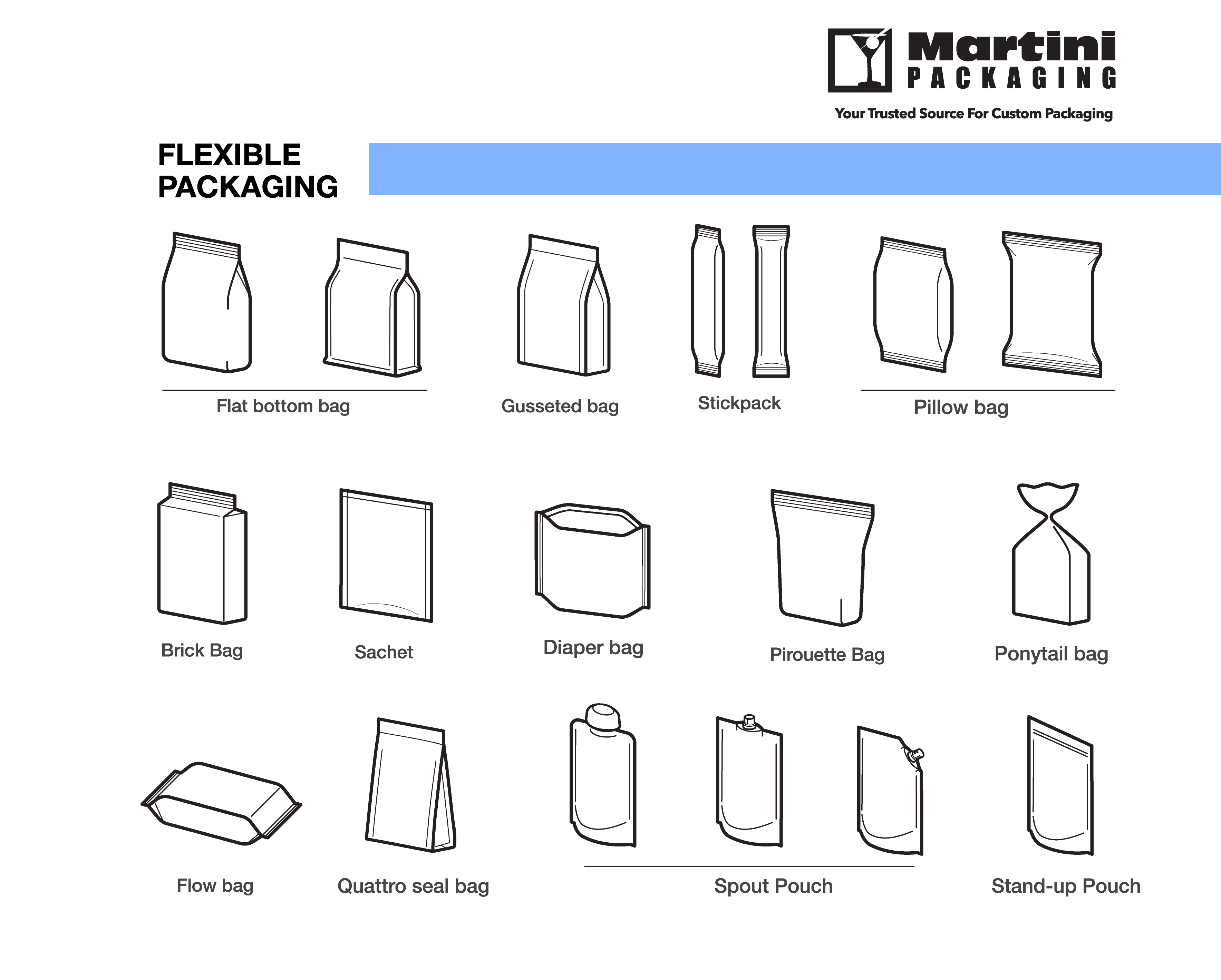
WHAT IS FLEXIBLE PACKAGING?

Flexible packaging is a versatile type of packaging made from materials like plastics, films, and laminates. It's lightweight, space-saving, and offers excellent barrier properties against moisture, oxygen, and light. Common types include pouches, bags, wraps, and laminates, and it's used in industries such as food, beverage, pharmaceuticals, and personal care. Its advantages include convenience, customization options, and sustainability.